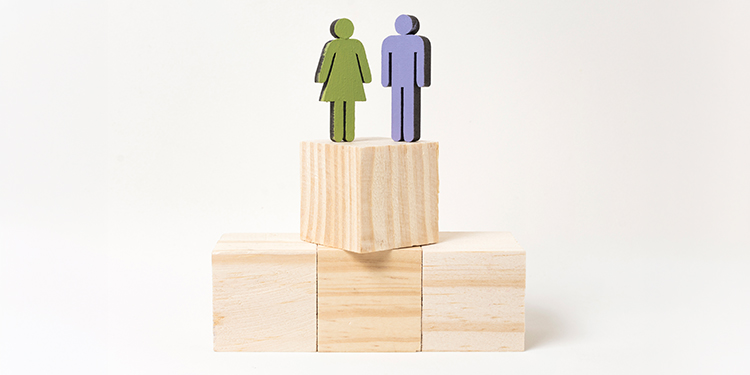
For most women, success at work involves so much more than just navigating deadlines and deliverables. Despite women making up about 41% of the global workforce, the workplace challenges for women remain deeply ingrained in culture, systems, and design.
While workplaces have evolved, combating these challenges necessitates choosing a multifaceted approach that fosters better flexibility, gender equality, and, most importantly, inclusion. Understanding these realities is essential not just for employers but also for workplace designers and the community at large, as they influence how people experience work routinely.
As organisations reshape workplaces with emerging needs, here are some key challenges that need to be recognised and addressed for women in the workplace:
1. Unequal Pay and Benefits
According to the world economic forum, complete pay parity is still over a century away. Unequal pay and benefits also translate into differences in bonuses, late promotions, and access to healthcare and retirement benefits, creating a lasting impact on women’s financial advancement.
Even with similar roles and comparable qualifications, disparities remain common due to biased structures. As this inequality compounds over time, it significantly impacts women’s savings, security, and financial independence.
2. Limited Workplace Flexibility
As women often have to balance multiple responsibilities with work, greater control over time schedules and the location of the workplace is important to ensure that women do not have to choose between career opportunities and personal commitments. Flexibility is still seen as a concession, while it is actually a productivity and retention strategy.
Options like hybrid work models, telecommuting, and availability of co-working spaces can significantly expand career options for women, especially those who are not open to working full-time on a traditional schedule.
3. Underrepresentation in Leadership Roles
While women contribute greatly to the global workforce, crucial leadership and decision-making roles are still dominated by men. As of 2024, women held only 29% of senior management roles. This underrepresentation not only limits growth opportunities for women but also hampers diversity in decision-making at various institutions.
Encouraging more women to aspire for leadership roles is important for facilitating dynamic workplaces and designing structures that promote equality in all avenues.
4. Bridging the Work-Life Balance Gap
Balancing personal life with work can feel like a tightrope, especially for women. Excelling at work might come at the cost of not meeting family commitments. Women often shoulder caregiving responsibilities while bearing the brunt of rigid schedules, which can result in organisations losing skilled women at critical stages.
While statutory maternity leave and childcare support exist in the UK, gaps in affordability, accessibility, and workplace flexibility continue to hinder women’s professional growth. Employers can address these challenges through structured return-to-work programmes and flexible working practices that respect diverse needs.
5. Lack of Mentorship and Networking Opportunities
Finding strong mentorship and networking opportunities still remains a struggle for women in most modern workplaces. Leadership positions and work environments continue to be male-dominated, making it harder for women to find influential mentors who can advocate their work.
This leads to women missing out on leadership pathways and key career insights. Organisations can address this through mentorship programmes and networking groups where women get a chance to build relationships that can help them gain access to opportunities.
6. Microaggressions and Implicit Bias
Implicit bias continues to shape how women are perceived and evaluated. It often takes the form of subtle behaviours like having ideas overlooked or being interrupted. This may influence women’s confidence and performance.
Women in the workplace face even greater scrutiny for their performance, which has an impact on their mental health. They may also feel the need to succumb to such biases, which ultimately limits their career growth and development. Employers can work on providing relevant training, hosting workshops, and creating better outlets for accountability.
7. Safety, Well-Being, and Psychological Security
Physical safety, harassment prevention, and psychological well-being remain critical concerns for women in workplaces as they are disproportionately affected by it. More than half (52%) of Gen Z employees reported that they had witnessed workplace harassment.
This creates a hostile work environment that could lead to decreased productivity, absenteeism, and emotional burnout. Creating a safe space for women in the workplace requires clear policies, responsive leadership, and environments that value job satisfaction and well-being alongside performance.
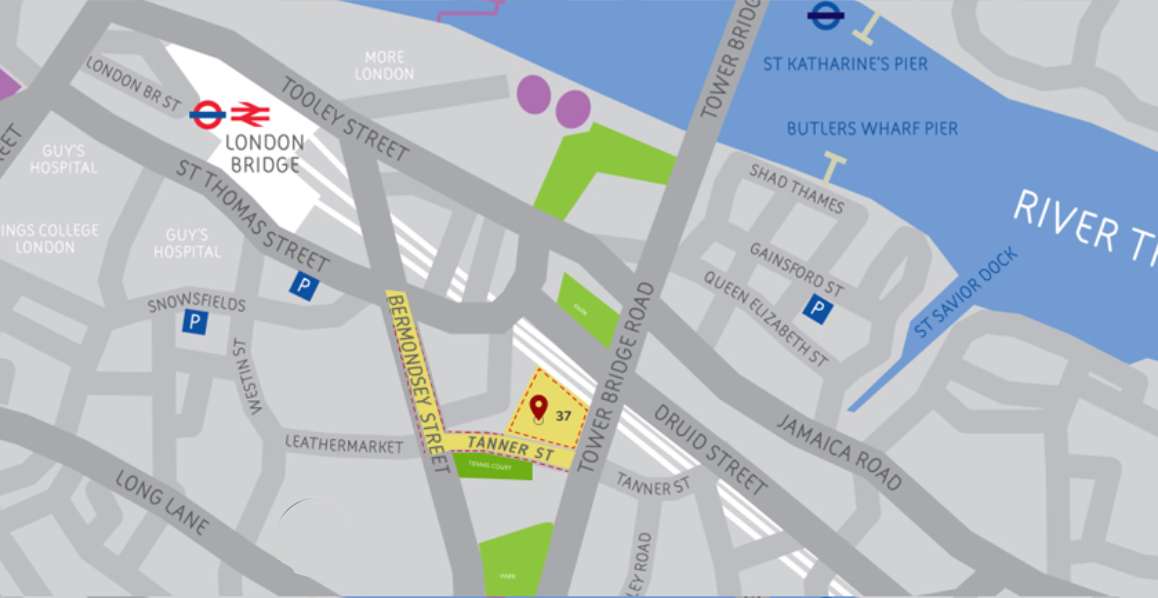
Garden Office Bermondsey: Where Place Meet Progress
With so many workplace challenges for women to grapple with, there is a need for collective effort on behalf of multiple stakeholders and not just employers. In addition to policies, there is a need for intentionally designed spaces that promote gender equality in the workplace. This is where Garden Office Bermondsey comes in.
By offering thoughtful spaces designed for accessibility, dynamic work setups, and collaboration, Garden Office Bermondsey is a one-stop solution for organisations trying to integrate well-being with work.
Explore how Garden Office Bermondsey is helping shape inclusive and future-ready workplaces!